Patients don’t live in the lab
Medical devices are often developed and refined in controlled environments. Lighting is optimal, instructions are clear, and trained professionals are on hand to guide the process. Under those conditions, devices are tested for accuracy, safety and technical performance. But patients do not use devices in controlled environments. They use them in kitchens, bedrooms, shared houses and busy family homes. They use them before work, after school runs, and sometimes when they are tired, anxious or in pain. Devices are not experienced in isolation. They are experienced in context.
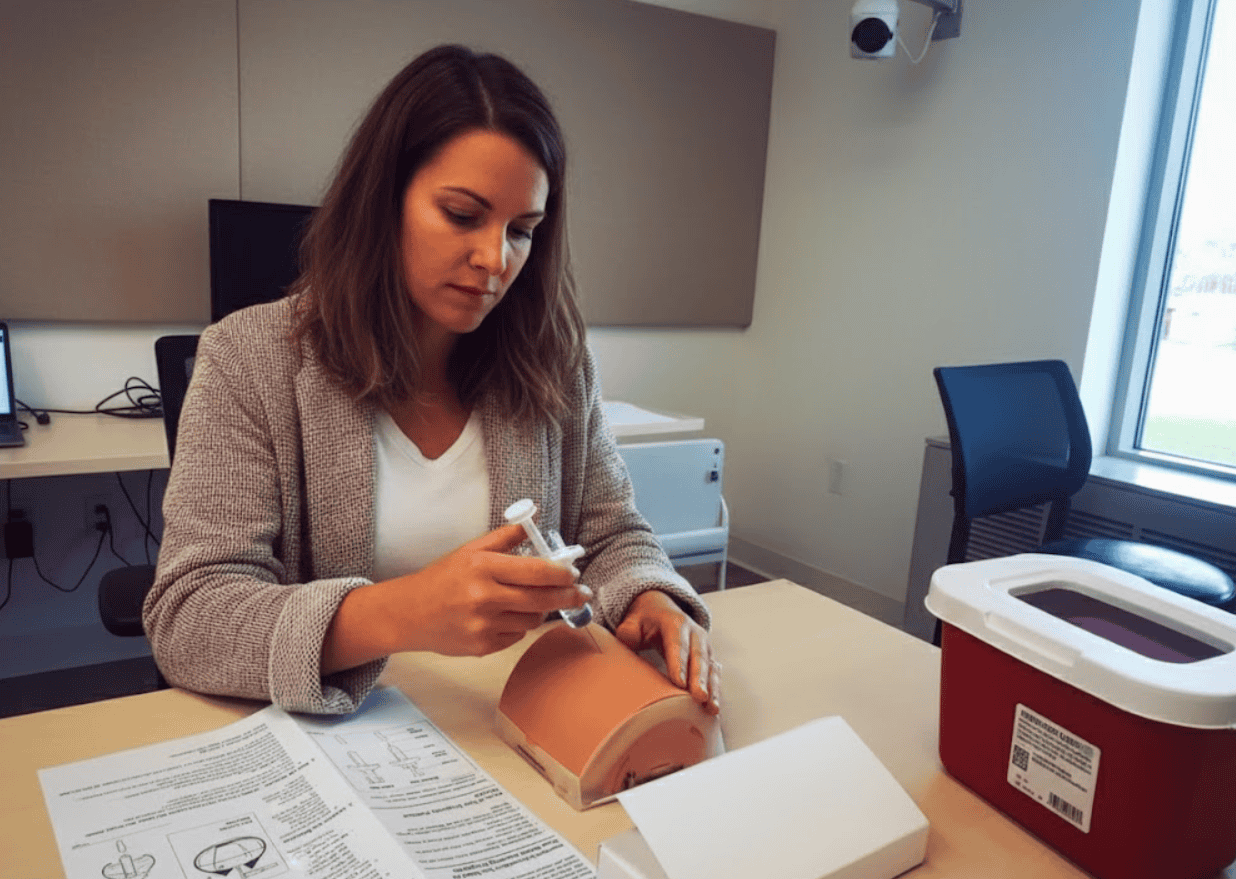
An injection device, for example, may feel straightforward during a supervised usability session in a clinical-style room. The steps are explained. The participant is focused. The environment is calm. Yet place that same device into a more realistic home setting and different behaviours begin to surface. A participant might hesitate before activating it, unsure whether they have positioned it correctly. They may struggle to remove the cap with reduced dexterity. They might adjust their grip because the angle feels awkward when seated on a sofa rather than upright at a desk. Instructions that appeared clear at first glance may be re-read multiple times when the moment feels more personal and less observed.
In realistic environments, researchers are able to observe not only whether a device works, but how it works in lived reality. Where it is placed. How it is handled. What is misunderstood. What is adapted. Small workarounds often emerge naturally, and these are rarely visible in traditional lab-style settings. A participant might steady the device against a surface in a way designers had not anticipated, or pause longer than expected before administration. These subtle hesitations are not technical failures, but they are indicators of friction, uncertainty and confidence gaps.
Those details matter because usability is not just about functionality. It is about reassurance, clarity and ease. For devices that patients rely on regularly, particularly in areas such as chronic condition management, confidence is closely linked to adherence. If the experience feels complicated or intimidating, behaviour changes. Doses may be delayed. Instructions may be partially followed. Anxiety may increase.
Contextual authenticity allows those risks to be identified earlier in the development process.
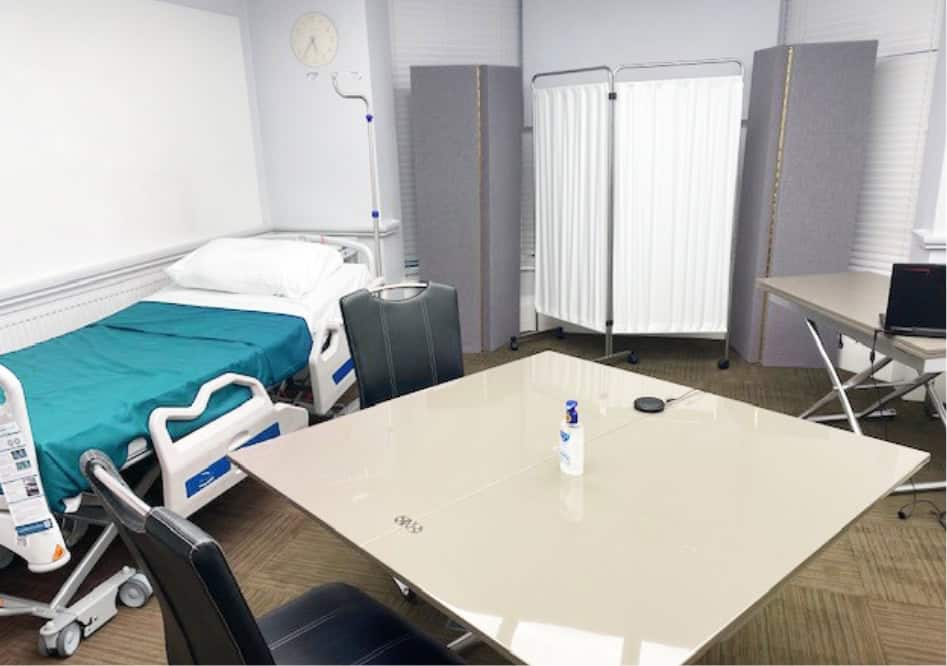
At Acumen Health, our Healthcare Suite has been designed to replicate real-world environments so that device testing reflects the realities of everyday life. This approach enables richer human factors insight, strengthens user-centred design and reduces the likelihood of downstream usability issues. It also creates space for more open patient feedback. When participants feel they are operating in a familiar setting, their reflections tend to be more candid and grounded in their lived experience.
Patients do not experience medical devices under perfect conditions. They experience them within the complexity of daily routines, distractions and emotions. If research environments do not reflect that reality, insight will always be incomplete. By bringing context into the research process, we move closer to understanding not just whether a device can work, but whether it truly works for the people who depend on it.